

A simple guide to understanding your diabetes numbers and staying on top of your health
If you or someone you love has been told they have type 2 diabetes, chances are your provider has mentioned a number called your A1C. Maybe you nodded along in the exam room, but walked out wondering: what does that number actually mean?
You’re not alone. A1C is one of the most important numbers in diabetes care, but it doesn’t always get explained in plain terms. Here’s what you need to know.
What Is an A1C, Exactly?
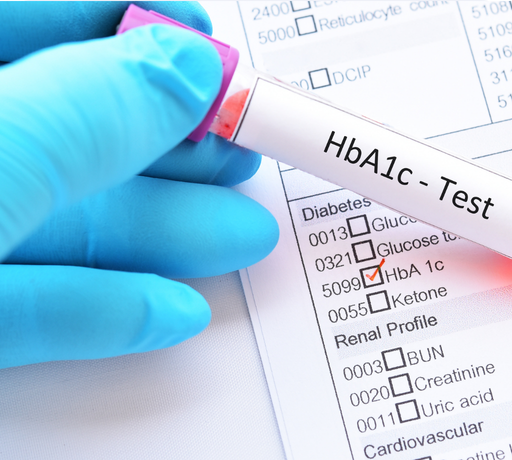
Your A1C test measures your average blood sugar over the past two to three months. Think of it like a report card for how well your blood sugar has been managed, not just on one day, but over time.
Blood sugar (also called blood glucose) is the sugar that comes from the food you eat. Your body uses it for energy. But when you have diabetes, your body has a harder time managing that sugar. It can build up in your blood and, over time, cause problems with your heart, kidneys, eyes, and nerves.
The American Diabetes Association recommends that most adults with diabetes aim for an A1C below 7%. Your provider may set a different goal for you based on your age and health. What matters is that you know your number and understand what it means for you.
How Often Should You Get Tested?
Most people with diabetes should get their A1C checked at least twice a year. If your blood sugar has been harder to manage, or if your treatment recently changed, your provider may want to check it every three months.
The good news? It’s just a simple blood test, usually done right in the office during a regular visit. If you’re not sure when you last had yours checked, your care team can look it up and let you know.
What Can You Do to Keep Your A1C in a Healthy Range?
Managing diabetes doesn’t have to be complicated. Small, steady changes add up more than you might think.
Watch what’s on your plate. You don’t need a perfect diet. Just a balanced one. Fill half your plate with vegetables, choose whole grains over white bread or white rice when you can, and try to cut back on sugary drinks. Even small swaps, done consistently, make a difference.
Move your body a little every day. You don’t need to run a marathon. A 15 to 20 minute walk after meals can help your body use blood sugar more efficiently. If walking is hard on your joints, gentle stretching or chair exercises count too. Talk to your care team about what’s right for your body.
Take your medications as prescribed. Diabetes medications work best when taken consistently, even on days when you feel fine. If a medication is causing side effects or feels too expensive, tell your provider. There are usually options.
Keep up with your checkups. Your annual wellness visit is a great time to review your A1C, update your care plan, and ask any questions you’ve been holding onto. Don’t wait until something feels wrong.
Check your feet regularly. Diabetes can affect circulation and feeling in your feet over time. Look for cuts, sores, or swelling, and let your care team know right away if something doesn’t look right.
When Should You Call Your Provider?
Call your care team if you notice:
- Blood sugar readings that are consistently higher or lower than usual
- Increased thirst, frequent urination, or unusual fatigue
- Tingling, numbness, or pain in your feet or hands
- Any sores on your feet that are slow to heal
These aren’t reasons to panic. They’re reasons to reach out. Catching changes early is one of the best things you can do for your long-term health.
You Don’t Have to Figure This Out Alone
Living with diabetes takes attention, but it doesn’t have to feel overwhelming. At Hopscotch, your care team is here to help you understand your numbers, adjust your plan when things change, and cheer you on every step of the way.
If you’re due for an A1C check or just want to talk through your diabetes management, reach out to your Hopscotch care team. We’re here when you need us.
Not yet a Hopscotch patient? We’d love to meet you. Learn more about becoming a patient and find the clinic nearest you.